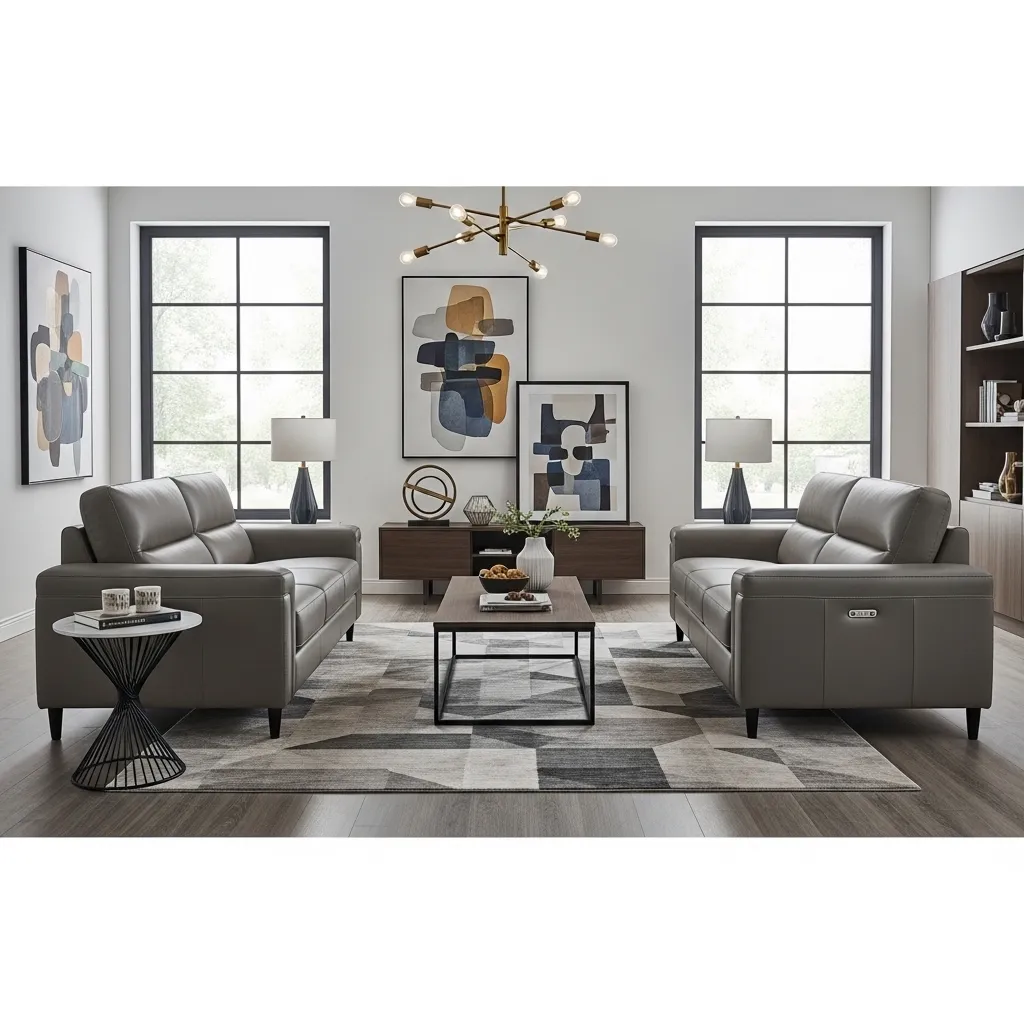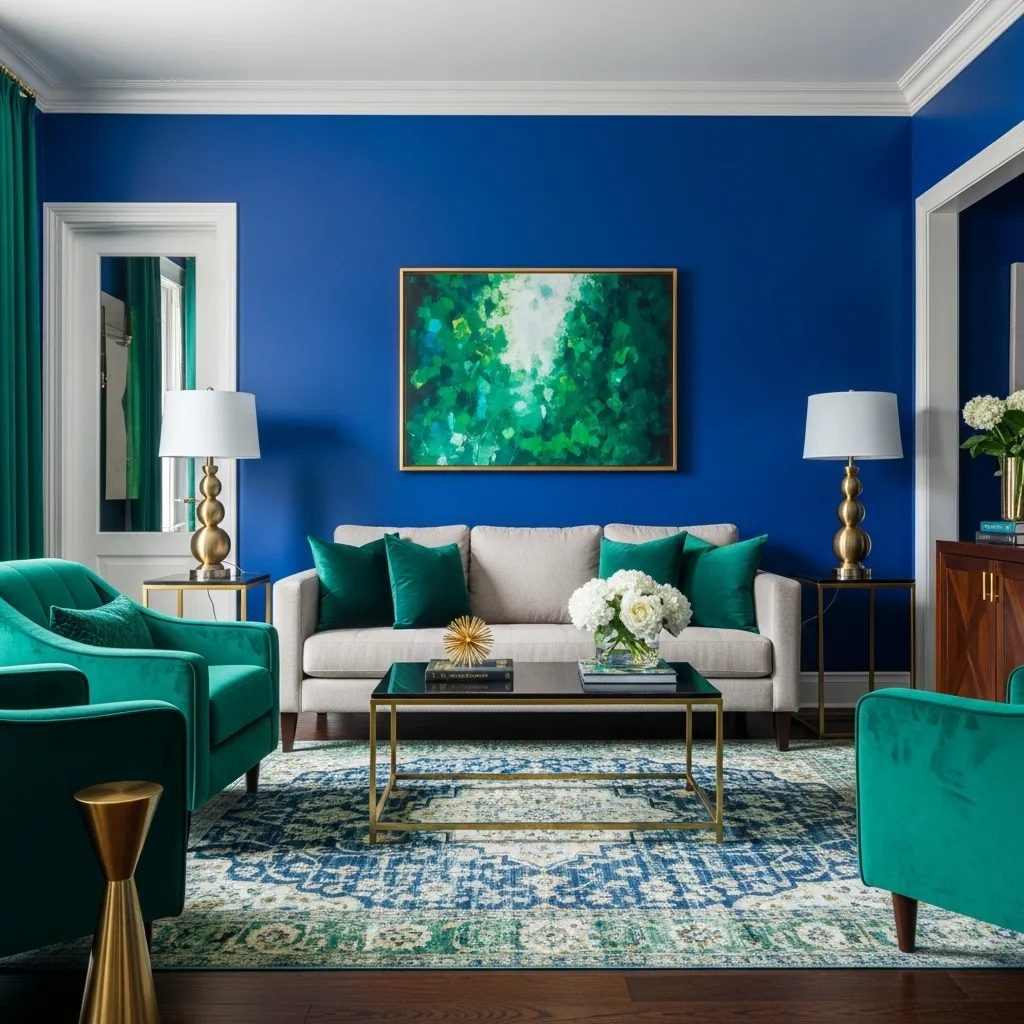
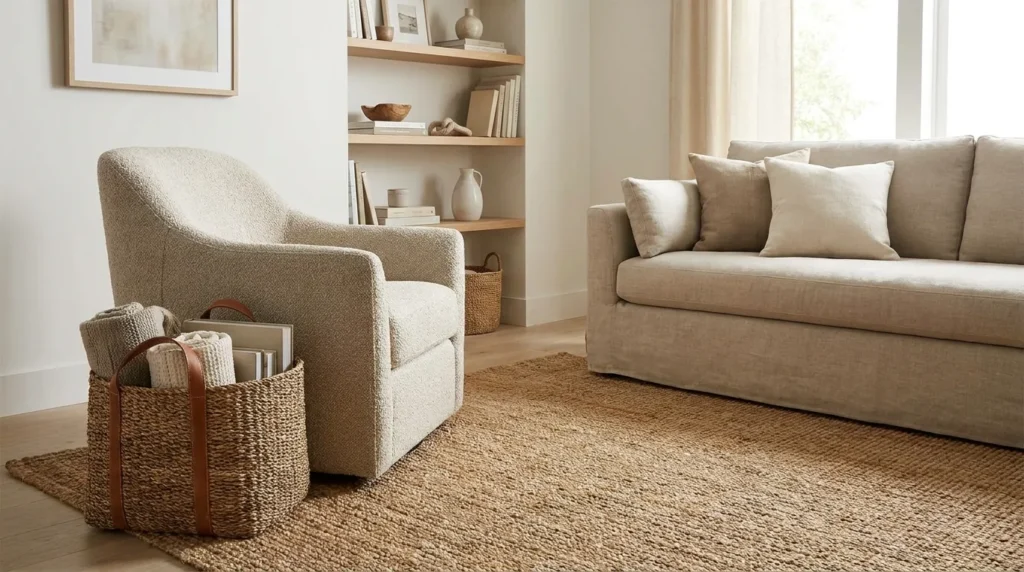
A well-organized living room can feel more spacious, comfortable, and relaxing without requiring a complete redesign. The key is to give everyday items a practical home while keeping the room visually calm and easy to maintain. Whether you have a compact apartment, a busy family room, or a large open-plan space, thoughtful organization can make a noticeable difference. From hidden storage furniture and attractive baskets to smart wall solutions and simple decluttering routines, there are plenty of ways to improve both function and style. The best living room organization ideas work with the way you actually use the space, so frequently used items remain accessible while less attractive clutter stays neatly tucked away. These ideas can help you create a room that looks polished but still feels welcoming and lived-in.
1. Use a Storage Coffee Table
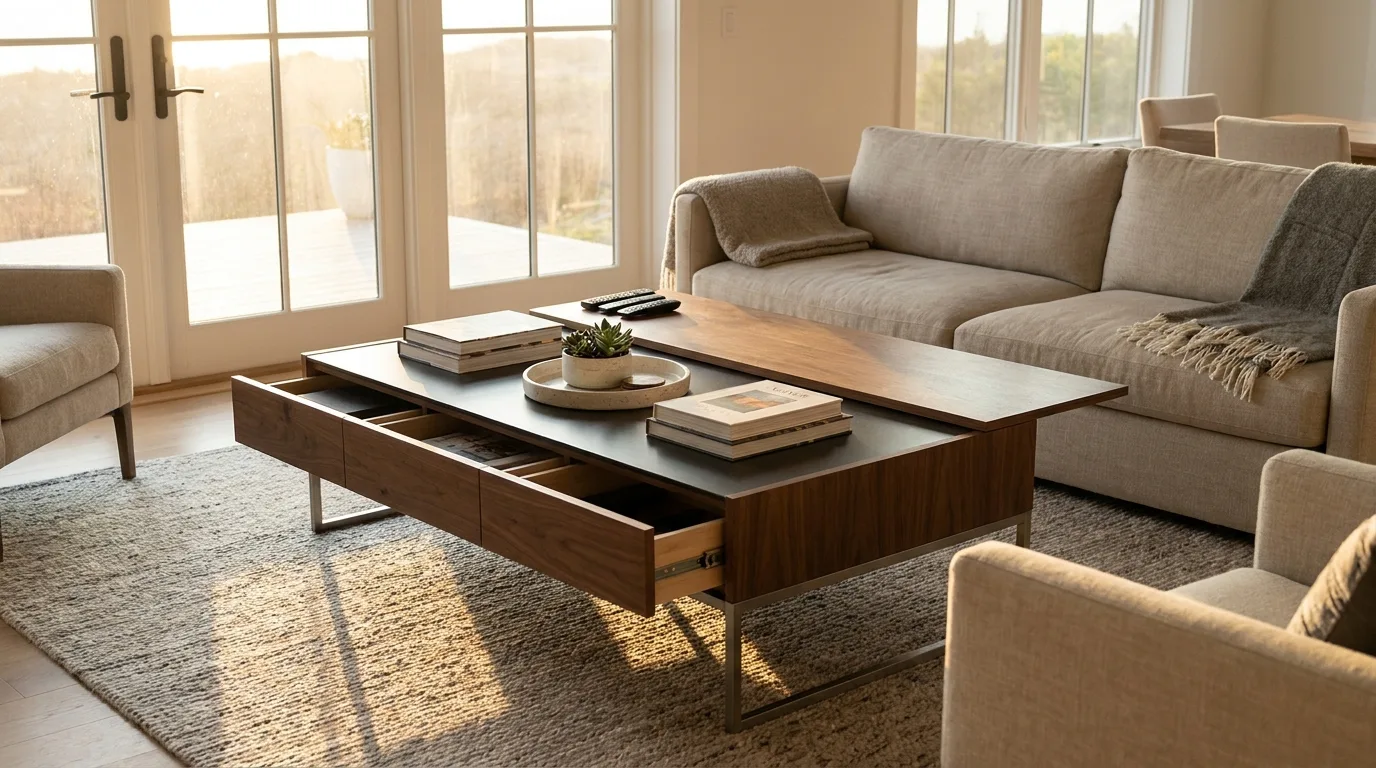
A coffee table with built-in storage is one of the easiest ways to hide everyday living room clutter. Look for designs with drawers, lift-up tops, shelves, or a combination of these features. Remote controls, magazines, chargers, board games, and small electronics can all have designated places instead of accumulating on the tabletop. A lift-top model can be particularly useful in smaller homes because it can double as a casual workspace or dining surface. Choose a finish that complements your sofa and other furniture so the storage piece feels intentional rather than bulky. Keeping the tabletop mostly clear also creates an instant sense of order, while concealed compartments allow frequently used items to remain close at hand.
2. Add Attractive Storage Baskets
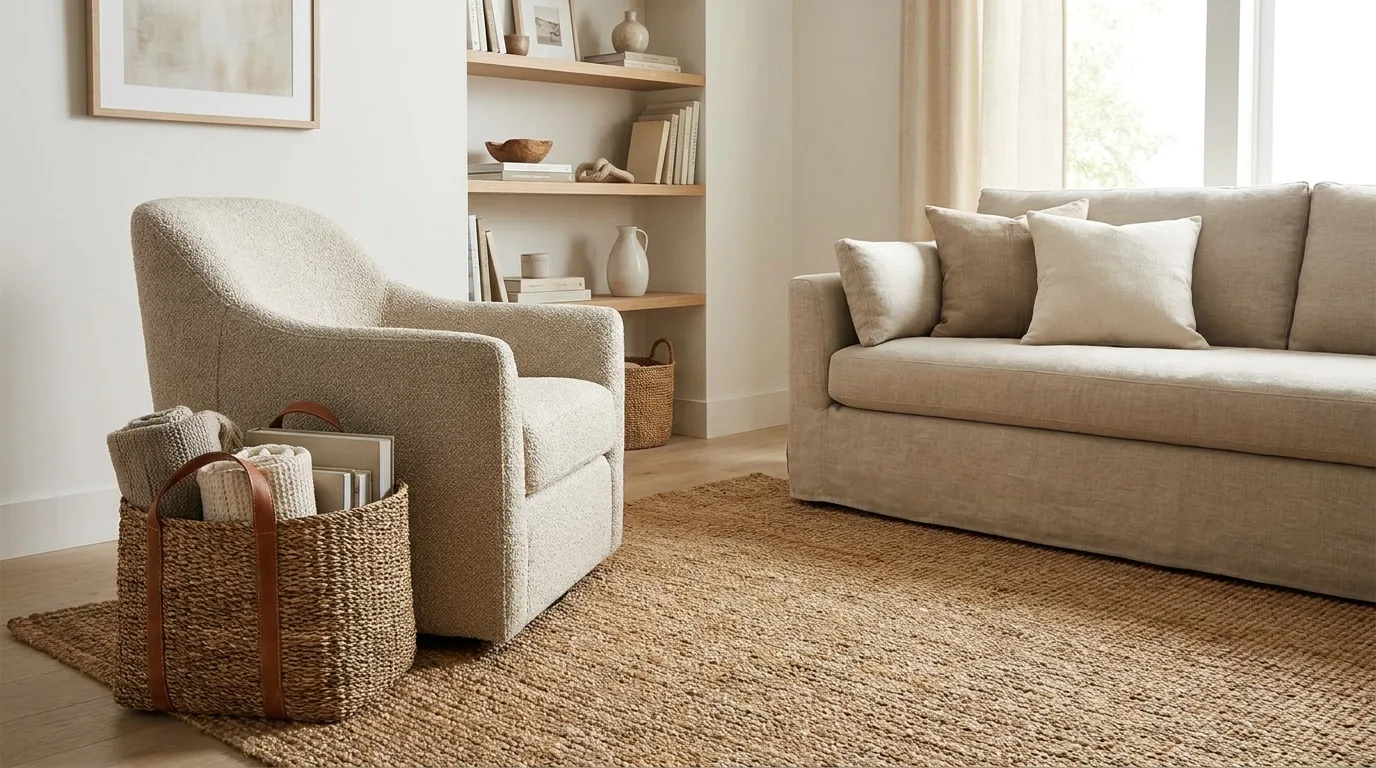
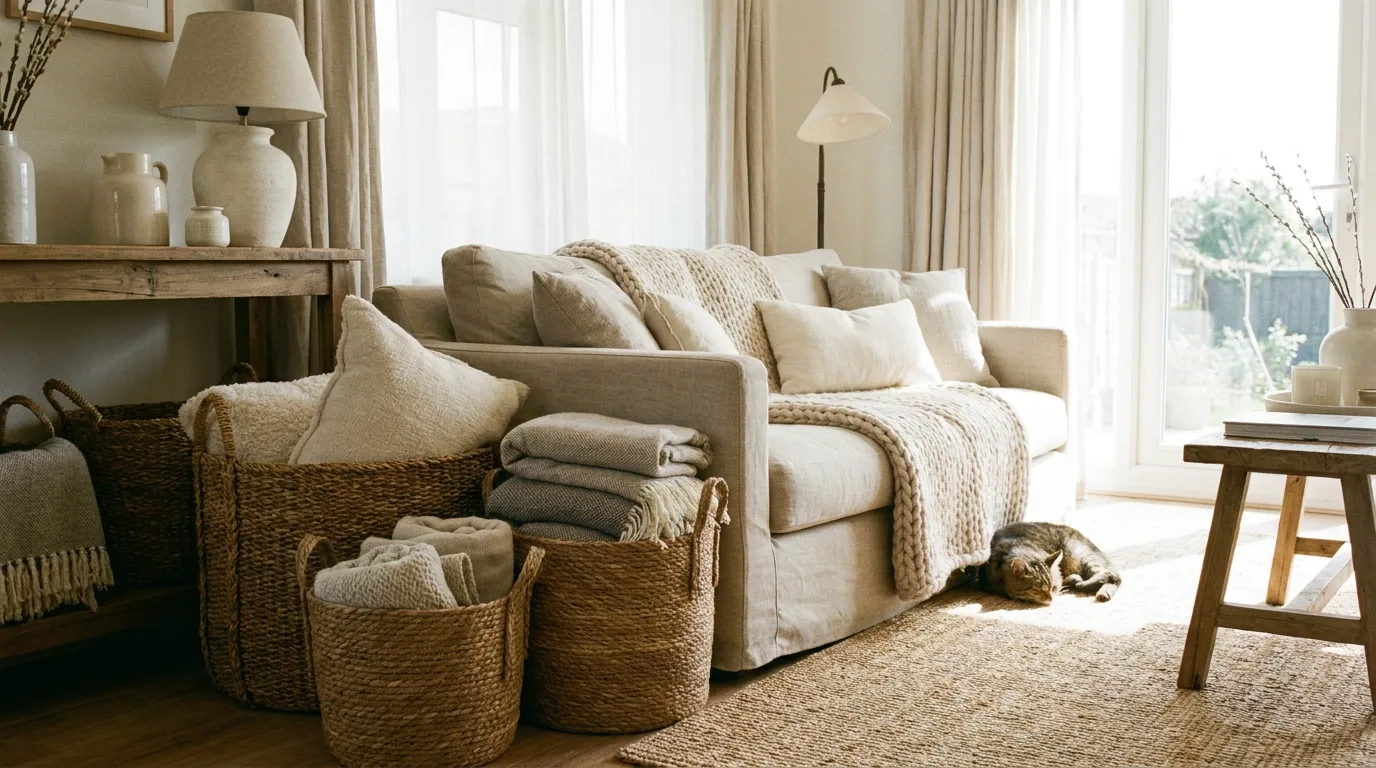
Storage baskets are an easy way to organize loose items without making the living room look overly utilitarian. Woven baskets can hold blankets, pillows, children’s toys, books, magazines, or gaming accessories while adding texture to the room. Place a large basket beside the sofa for throws or use smaller baskets inside an open shelving unit. Matching or coordinating baskets can create a more cohesive appearance, especially when several storage containers are visible. Choose sizes according to what you actually need to store rather than filling shelves with decorative baskets that have little practical purpose. Labeling baskets can also help families maintain the system, particularly when different containers are assigned to toys, electronics, craft supplies, or other frequently used categories.
3. Make the Most of Built-In Shelving
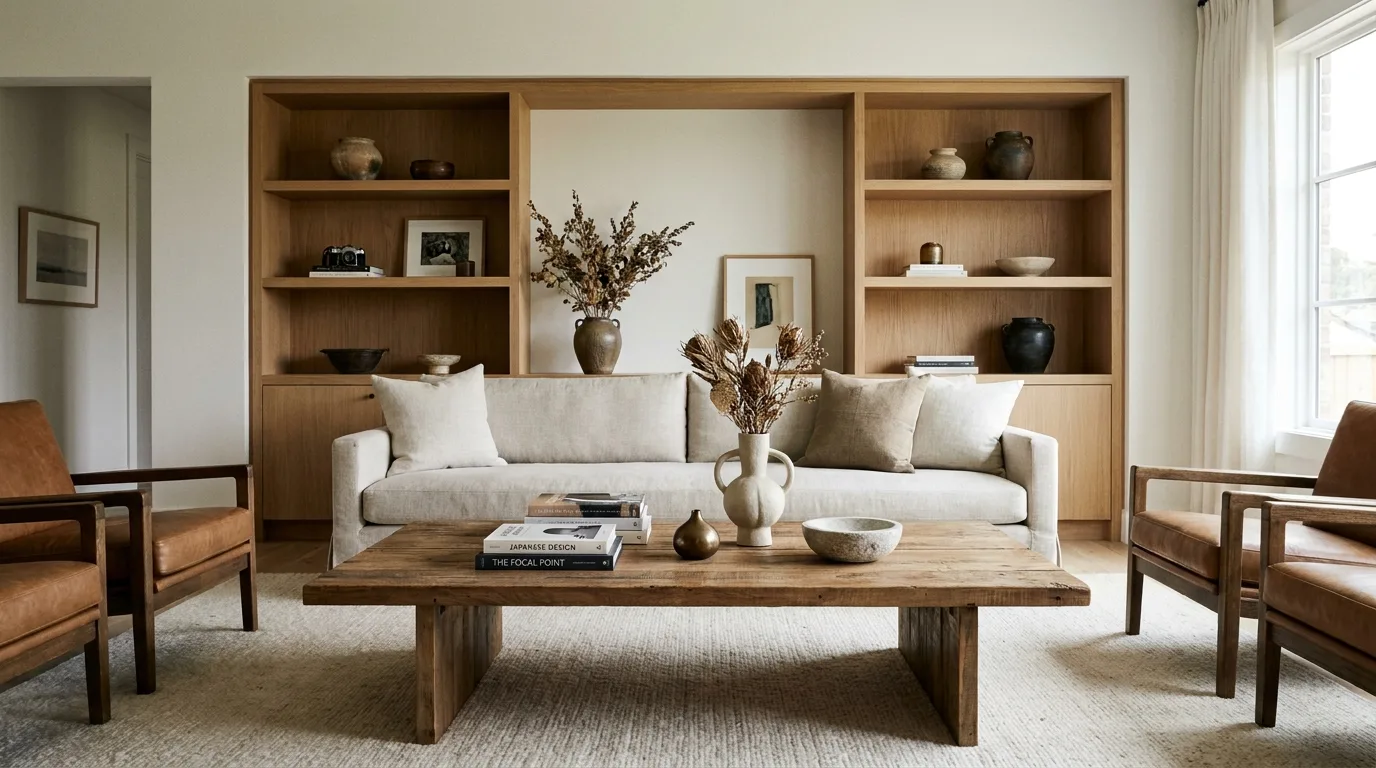
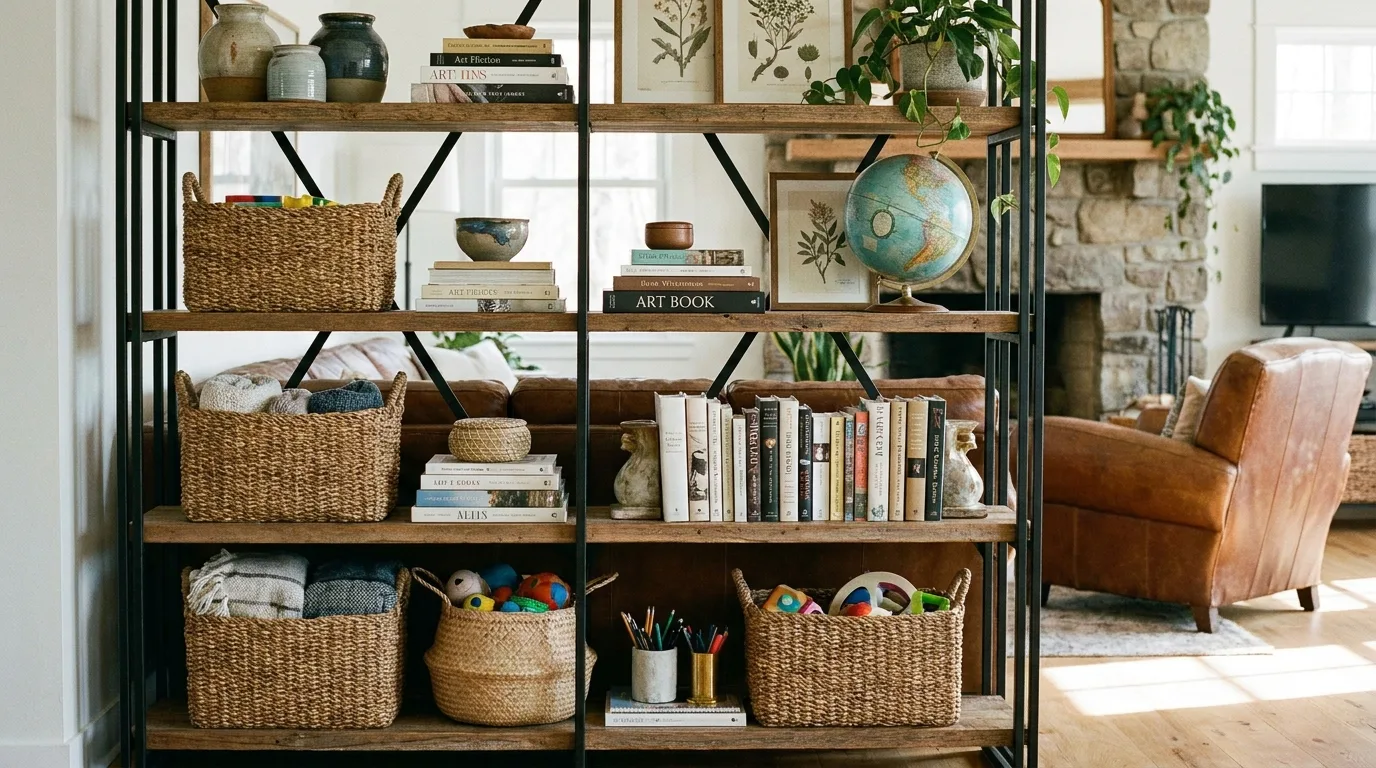
Built-in shelving can provide substantial storage while making use of vertical wall space that might otherwise remain empty. Instead of filling every shelf with decorations, combine attractive displays with practical storage. Books, baskets, boxes, photographs, and a few carefully chosen decorative objects can create a balanced arrangement. Keep frequently accessed items on shelves that are easy to reach, while seasonal or occasional-use belongings can occupy higher areas. If your shelves are open, grouping smaller objects into baskets or boxes can prevent the room from looking visually cluttered. A consistent colour palette for storage containers can make the entire unit appear more cohesive. Built-in shelving is especially valuable in smaller living rooms because it adds storage without consuming much floor area.
4. Create a Dedicated Remote Control Station
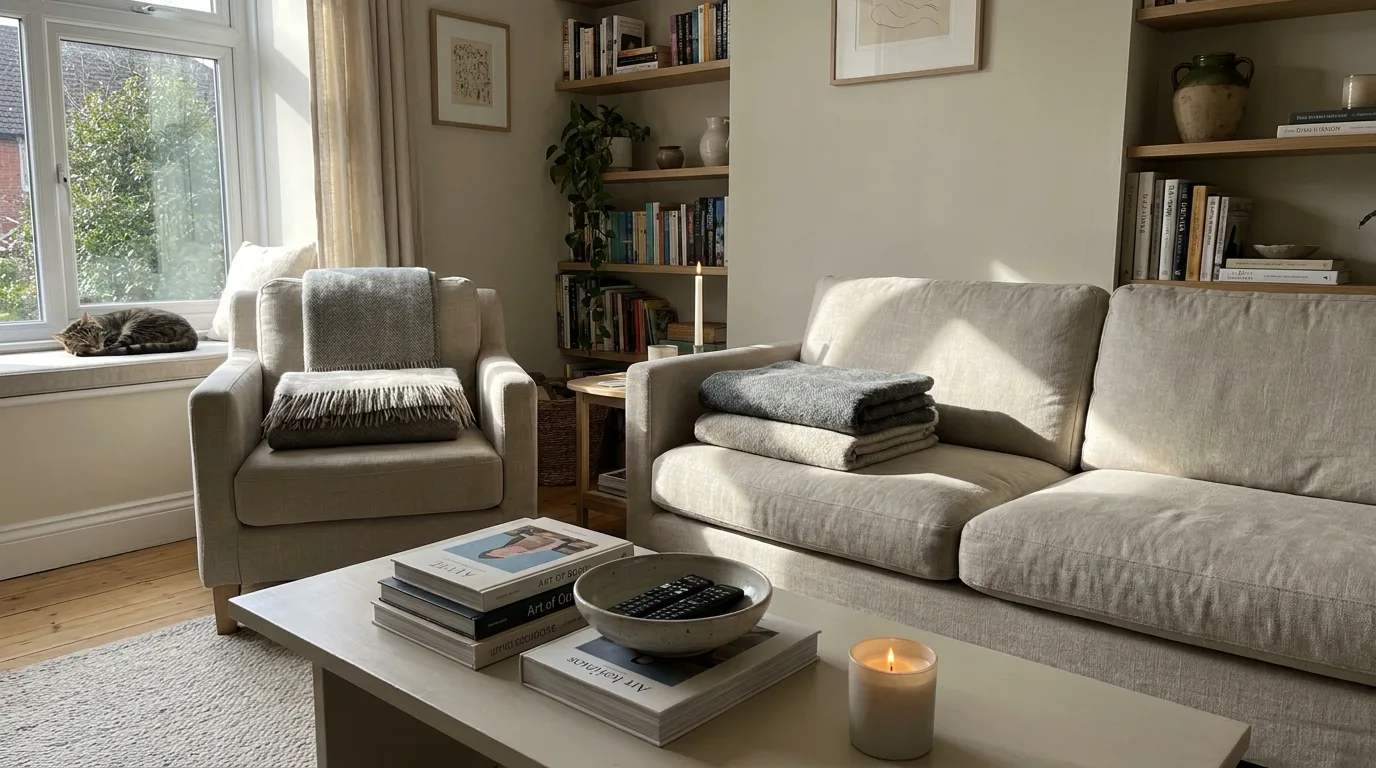
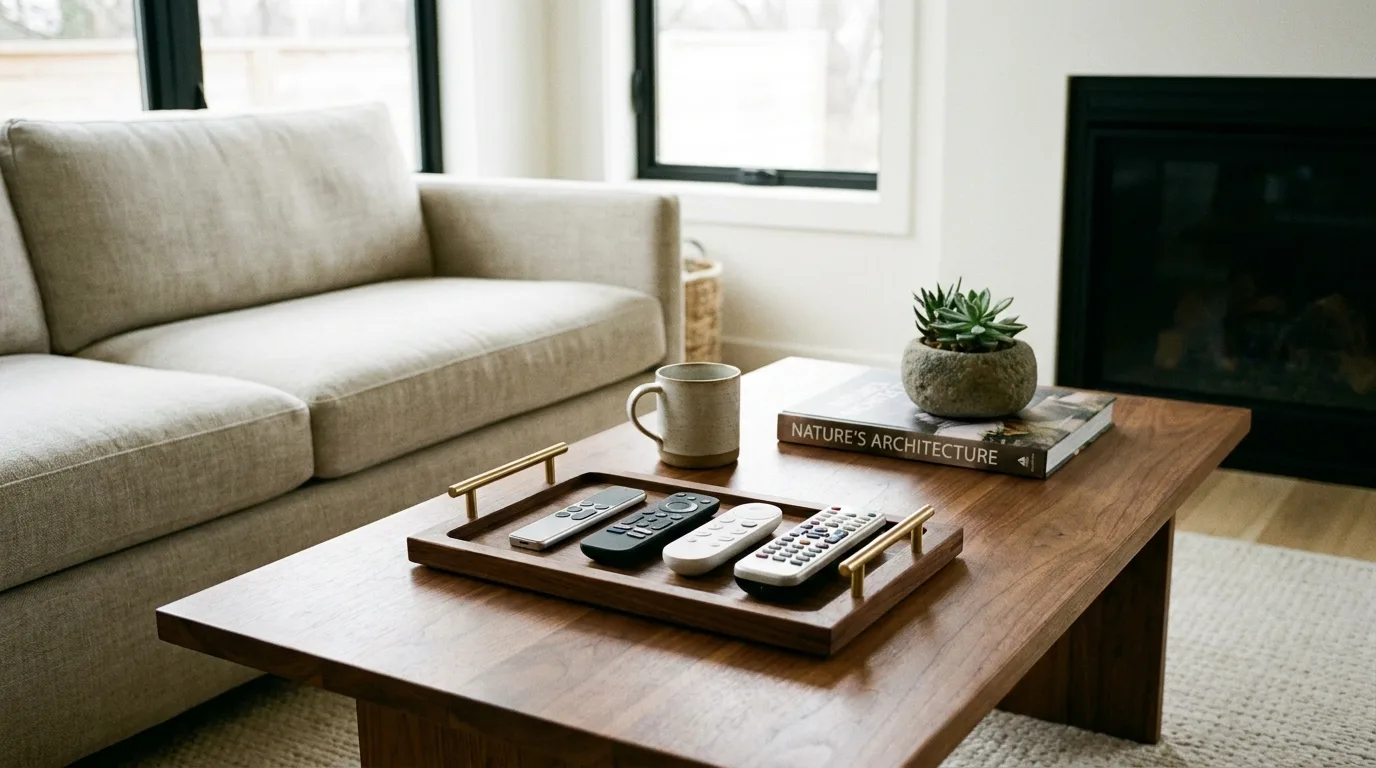
Remote controls have a habit of disappearing beneath cushions, behind furniture, or on random surfaces. Creating one designated location can eliminate this small but persistent source of clutter. A compact tray, decorative box, small drawer, or remote-control organizer can sit on the coffee table or inside a nearby cabinet. If your household uses several devices, group the remotes together and consider adding a simple label or divider. You can also store batteries and other small accessories in the same area so they are easy to find when needed. The goal is not complicated organization; it is creating one obvious place where everyone knows to return the remotes after watching television or using another device.
5. Organize Cords and Chargers
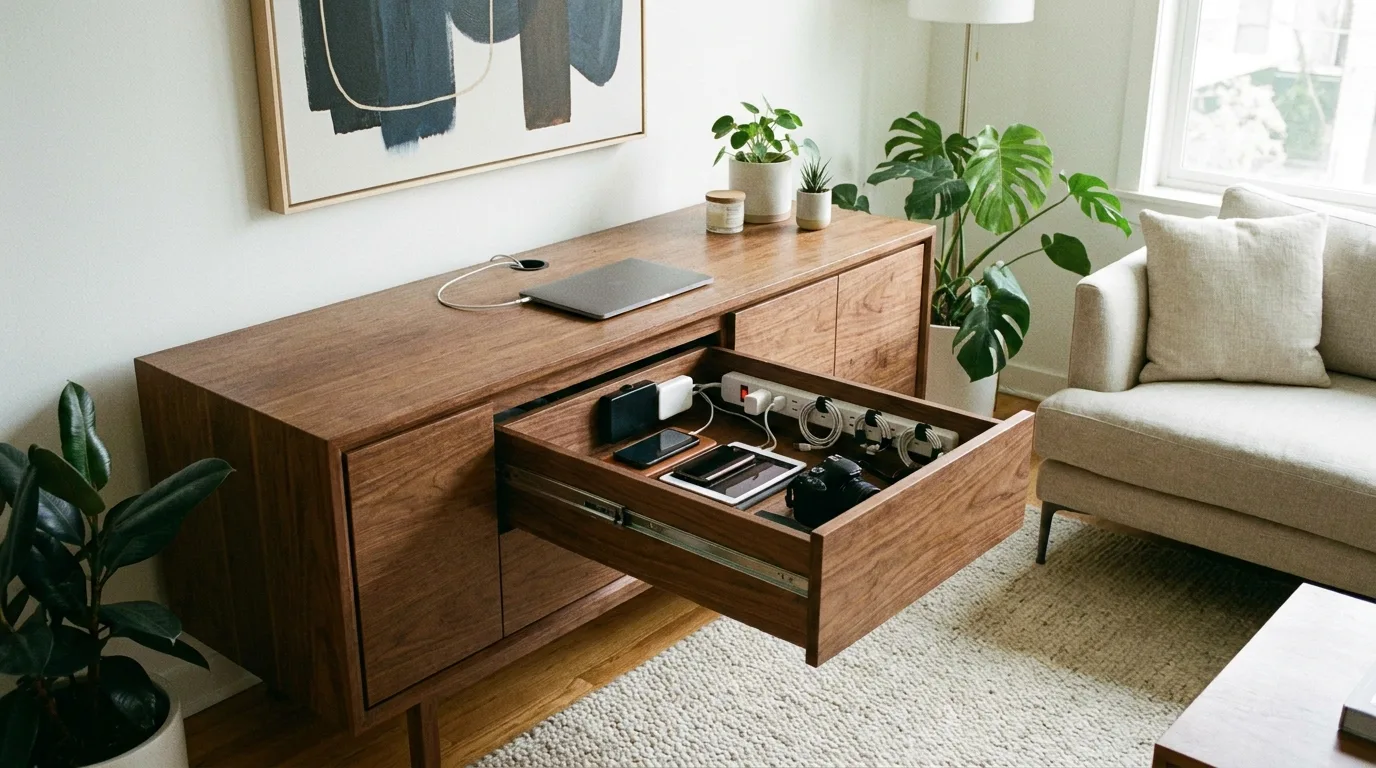
Visible cables can quickly make an otherwise tidy living room look messy. Start by identifying which chargers, power cables, and extension leads are genuinely needed in the space. Use cable clips, sleeves, ties, or a discreet cable-management box to keep wires grouped and controlled. A small charging station inside a cabinet or drawer can be particularly useful for phones, tablets, headphones, and other portable devices. Avoid tightly bending cables or creating overloaded electrical connections simply for the sake of appearance. If several devices are located near the television, route cables neatly along the back of furniture or through appropriate cable-management channels. Keeping charging accessories together also makes it easier to find the correct cable without searching through multiple drawers.
6. Choose an Ottoman With Hidden Storage
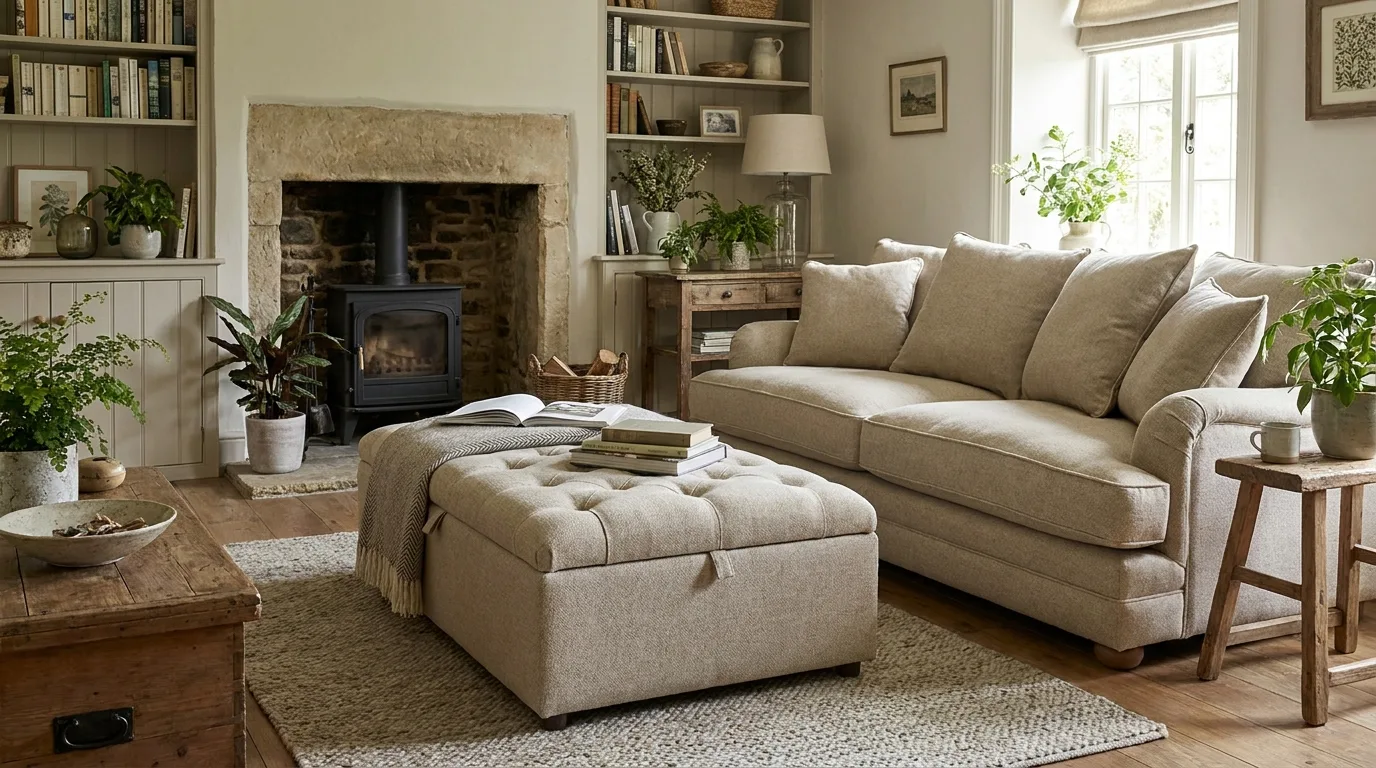
An upholstered storage ottoman can serve several purposes at once, making it particularly useful in a multifunctional living room. It can act as a footrest, extra seating, a coffee-table alternative, and a concealed storage container. Use the interior for blankets, seasonal cushions, children’s items, or other belongings that need to remain accessible but out of sight. In smaller rooms, a storage ottoman can replace a separate coffee table and reduce the amount of furniture on the floor. Choose a sturdy design with a practical opening mechanism, especially if it will be used frequently. For a polished appearance, select upholstery that coordinates with the sofa while allowing the ottoman to function as both a useful storage piece and part of the room’s overall design.
7. Use Vertical Wall Storage
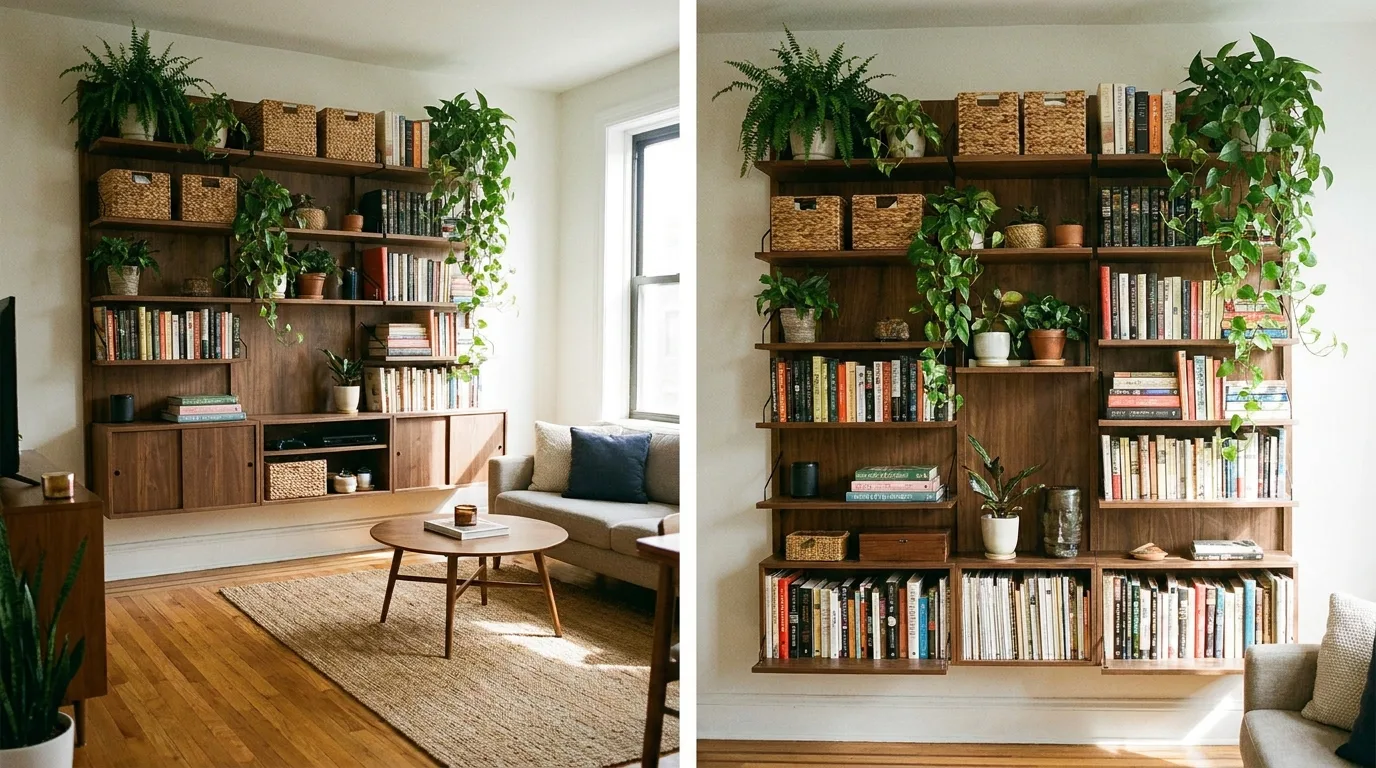
When floor space is limited, look upward. Vertical wall storage can make use of otherwise unused areas while keeping important belongings organized. Floating shelves, narrow cabinets, pegboards, and wall-mounted organizers can hold books, small plants, decorative objects, baskets, or everyday accessories. The most useful arrangement depends on the room and what needs to be stored. Avoid mounting shelves so high that frequently used items become inconvenient to reach. Wall storage should also be securely installed according to the manufacturer’s instructions and the wall construction. Keeping some open space between storage elements prevents the room from feeling crowded. A thoughtfully planned vertical arrangement can add practical storage while drawing the eye upward and making a compact living room feel more efficient.
8. Create a Toy Storage Zone
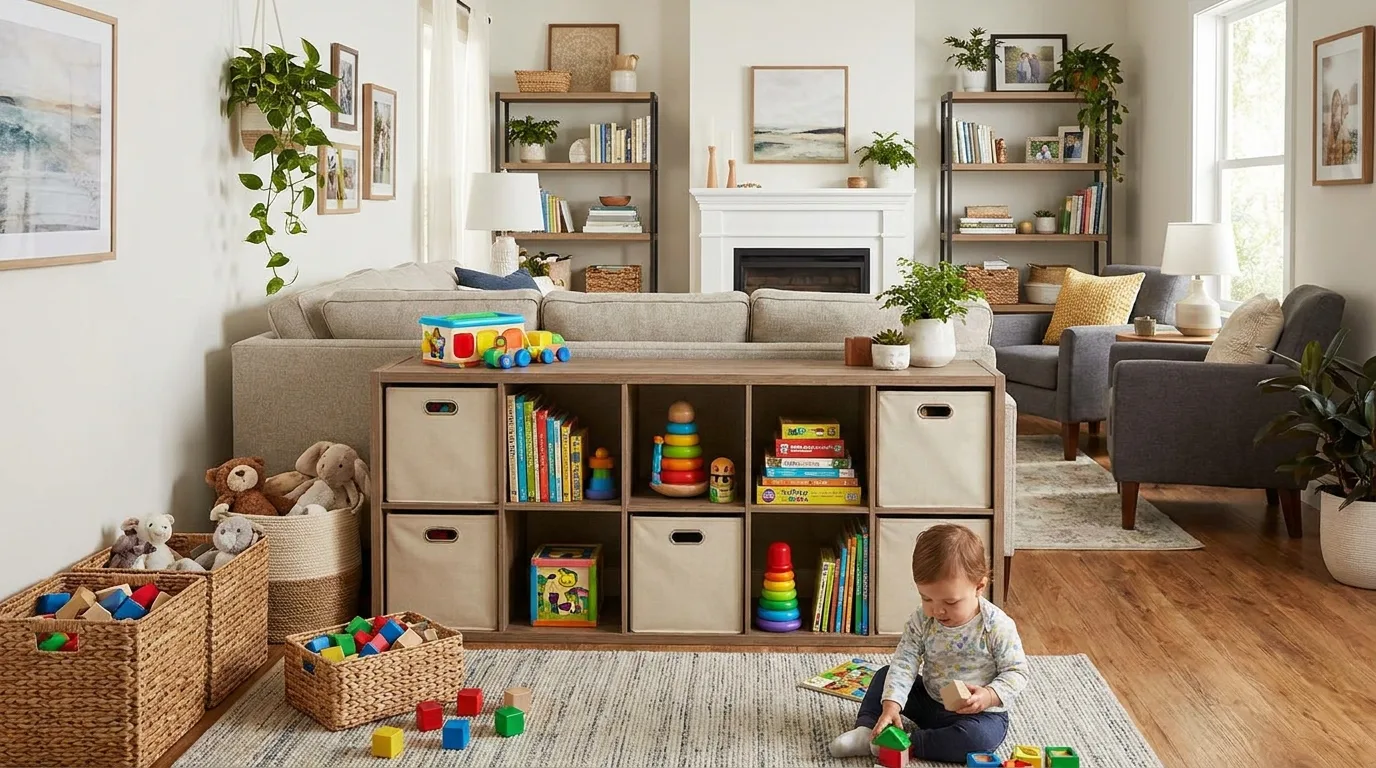
Families with young children often need a living room that serves both adults and kids. Instead of allowing toys to spread throughout the entire space, create a clearly defined toy storage zone. Low baskets, cube organizers, storage benches, or labelled bins make it easier for children to put items away independently. Keep the most frequently used toys at an accessible height and reserve higher storage for less suitable or occasional items. A simple rotation system can also reduce visual clutter by keeping only a manageable selection available at one time. Choose storage that matches the room’s furniture or colour scheme so the children’s area feels integrated rather than separate. The best system is one that is quick enough for the whole family to maintain every day.
9. Arrange Books by Function and Style
Books can become a beautiful organizational feature when they are arranged intentionally. Group them by subject, size, colour, or frequency of use depending on your preference. Frequently read books should remain easy to reach, while reference books or occasional reading can occupy less accessible shelves. Avoid packing shelves so tightly that removing one book disturbs everything around it. A few horizontal stacks can break up rows of vertical books and provide surfaces for small decorative objects. If the living room has many books, consider using baskets or closed cabinets for overflow rather than allowing every surface to become a bookshelf. This approach keeps reading material accessible while maintaining a calmer visual appearance throughout the room.
10. Give Blankets and Throws a Home
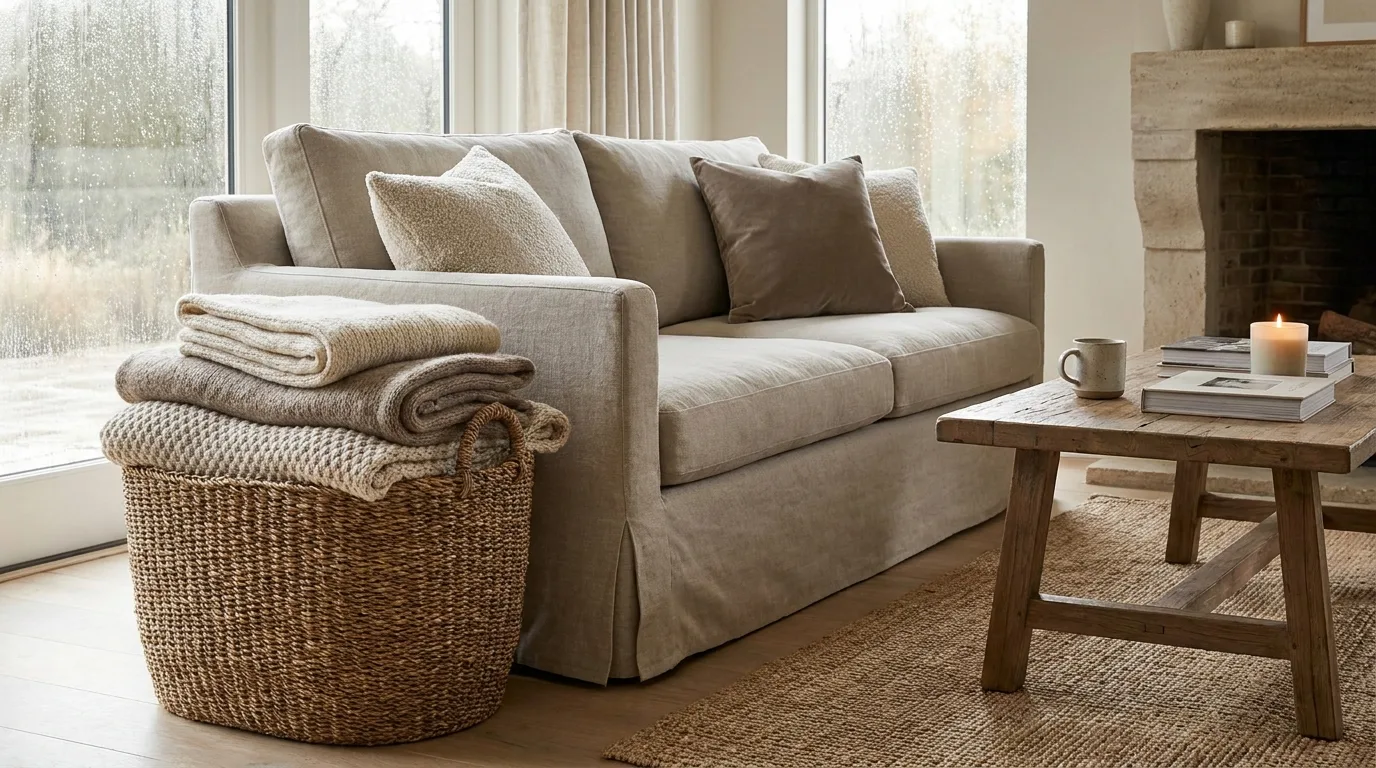
Blankets and throws are useful for comfort but can quickly make a sofa look untidy when they are left in random piles. Give them a dedicated storage location that is convenient enough to use every day. A large basket beside the sofa is ideal for frequently used throws, while a storage ottoman or cabinet can hold extras. Fold blankets consistently if you prefer a neat appearance, or loosely roll them for a more relaxed look. Keeping seasonal blankets separate can also free valuable everyday storage space. If you have several throws, consider limiting the visible selection to a few that complement the room’s colour scheme. A simple blanket-storage routine makes the living room easier to reset after movie nights, family gatherings, or quiet evenings.
11. Use the Space Beneath the Sofa
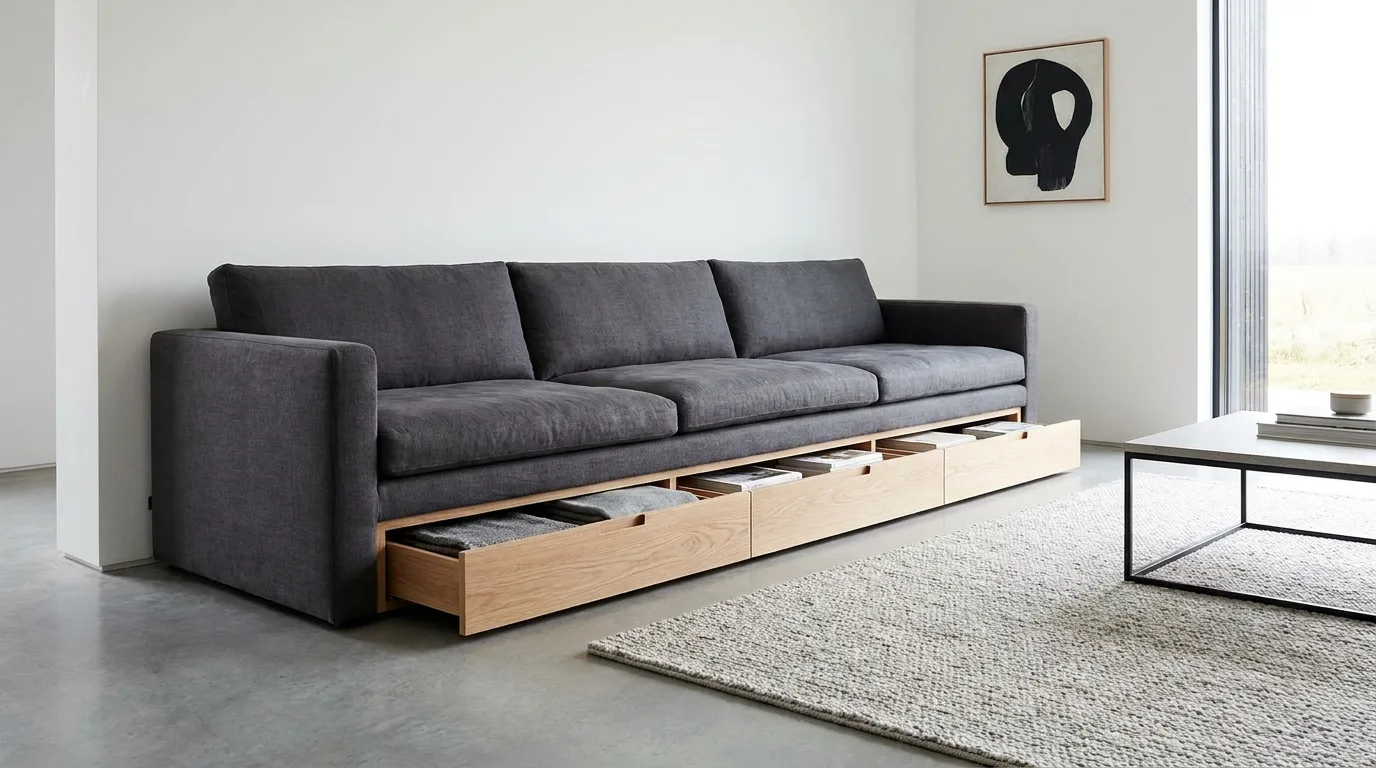
The area beneath a sofa can provide useful hidden storage, particularly in rooms where every square foot matters. Low-profile containers or shallow storage boxes can hold seasonal textiles, spare cushions, children’s items, or belongings that are not needed every day. Choose containers that slide smoothly and can be removed without damaging the flooring. Avoid storing items that need frequent access if reaching underneath the sofa is awkward. It is also important to keep this area reasonably clean because dust can accumulate quickly underneath furniture. If your sofa has little or no clearance, do not force oversized containers into the gap. When used thoughtfully, under-sofa storage provides extra capacity without adding another visible piece of furniture to the room.
12. Install a Slim Console Behind the Sofa
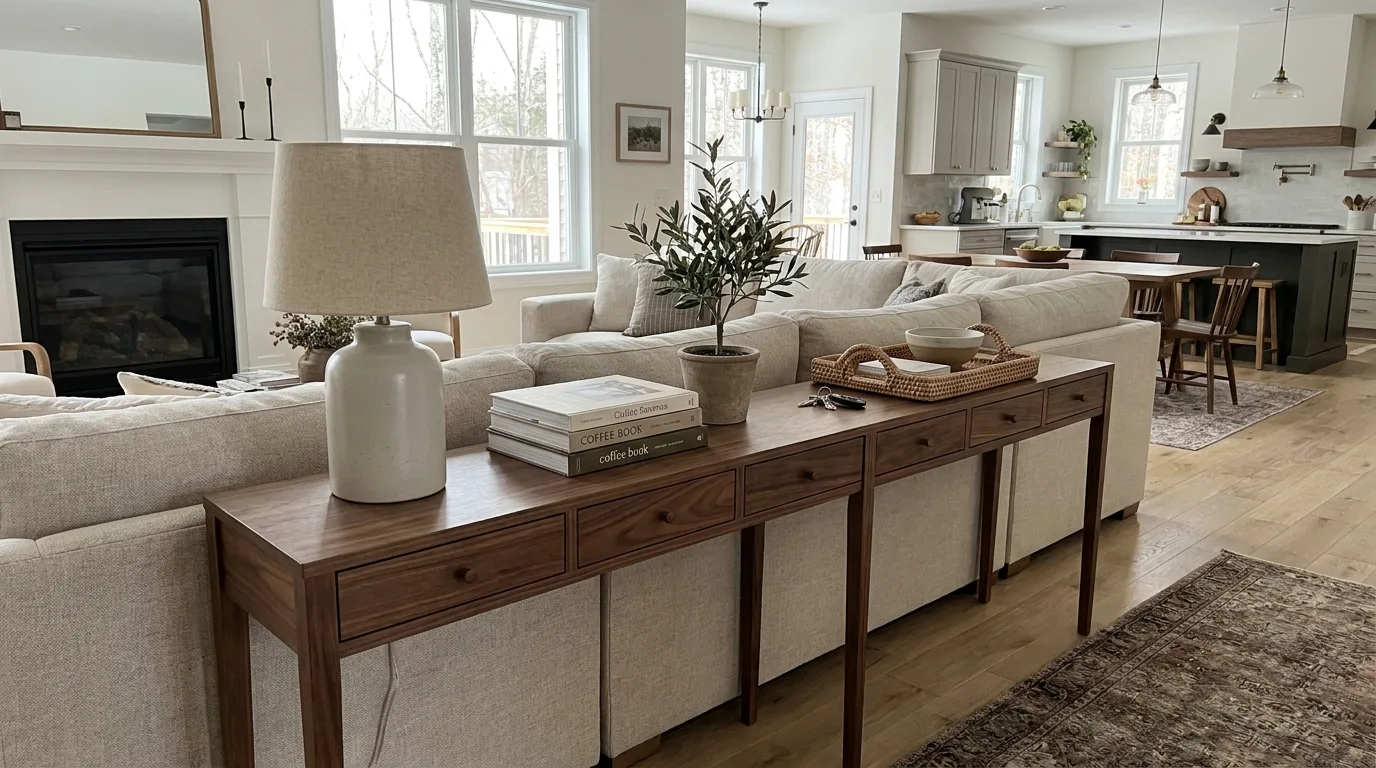
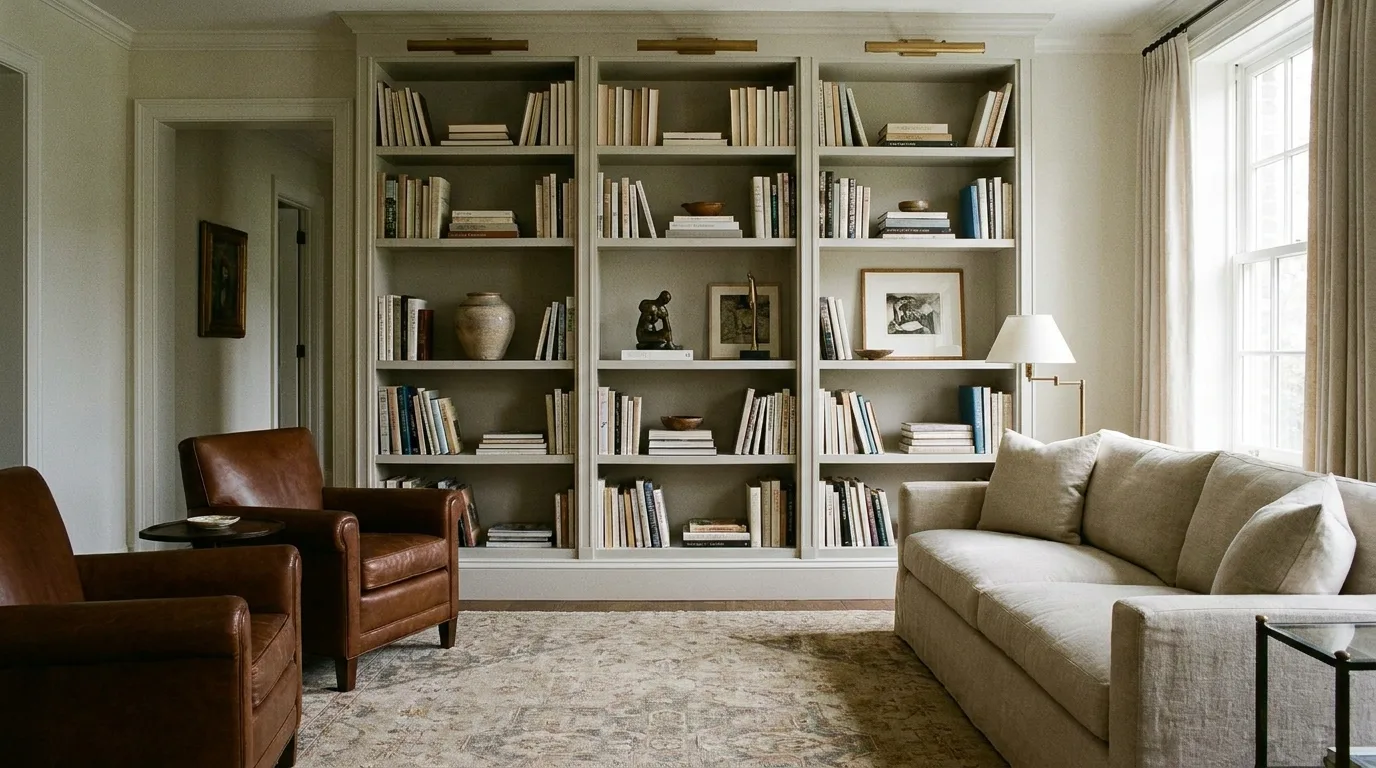
A slim console table behind the sofa can turn an otherwise unused strip of space into a practical organization zone. Choose a narrow design with drawers, shelves, or lower compartments for small items such as chargers, books, keys, or decorative accessories. The surface can also provide a convenient place for a lamp or a carefully selected display. In an open-plan room, the console can help define the living area while adding storage without taking up much floor space. Keep the depth appropriate for the walkway behind the sofa so people can move comfortably around it. A console works particularly well when its proportions match the sofa and surrounding furniture, creating an intentional transition between the seating area and the rest of the room.
13. Turn the TV Cabinet Into Organized Storage
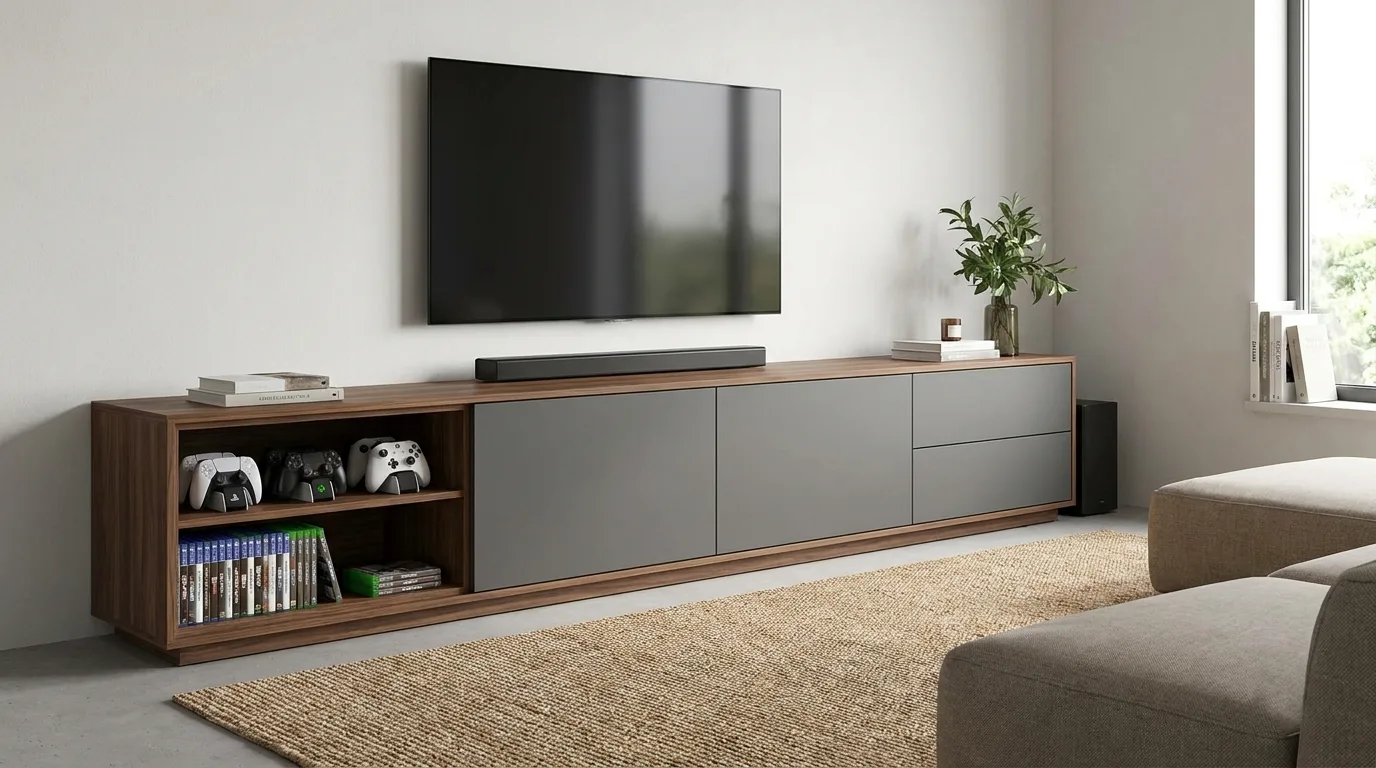
The television area often becomes a magnet for cables, controllers, media devices, games, and miscellaneous accessories. A TV cabinet with closed compartments can hide much of this clutter while keeping equipment accessible. Use separate sections for gaming accessories, remotes, streaming devices, DVDs, or other media. Cable-management openings at the back can help keep wires contained without preventing ventilation around electronic equipment. Avoid blocking ventilation openings on devices and follow manufacturer guidance for safe placement. If you rarely use physical media, reduce the number of items stored around the television and reserve cabinet space for equipment you actually need. A tidy media zone can make the entire living room appear more organized because it is often one of the room’s main visual focal points.
14. Add Storage to an Entryway Corner
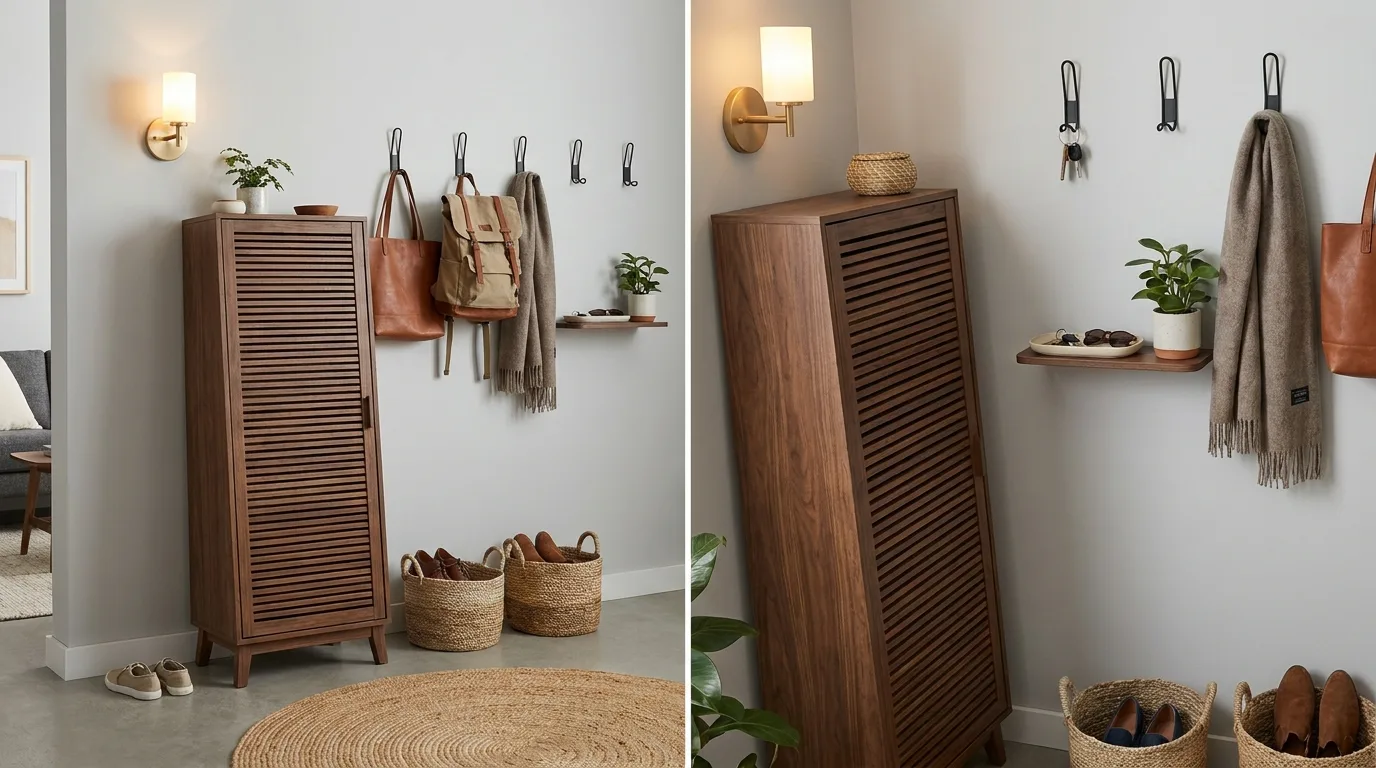
If your living room connects directly to an entrance, a small organization station can prevent coats, bags, shoes, and keys from spreading into the seating area. A narrow cabinet, wall hooks, small bench, or floating shelf can create a transition zone without requiring a dedicated hallway. Use hooks for frequently worn items and a tray or small bowl for keys and other pocket essentials. Closed storage can hide shoes and bags when possible, helping the living room maintain a cleaner appearance. Keep the system simple enough to use when arriving home because complicated storage tends to be ignored. Defining the entrance area also helps separate “coming in” clutter from the relaxing portion of the living room.
15. Use Baskets Inside Open Shelves
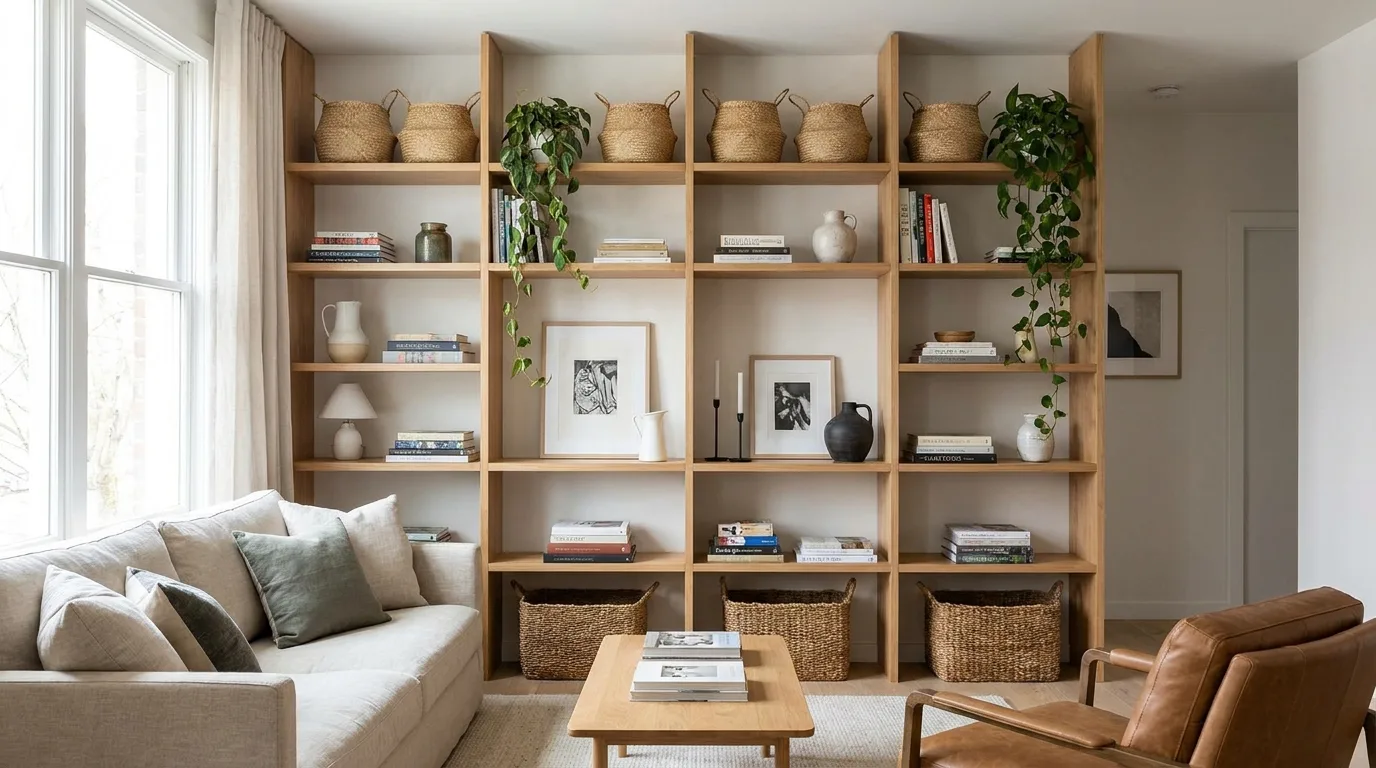
Open shelving provides easy access, but a collection of small unrelated items can quickly make it look chaotic. Placing coordinated baskets inside selected shelf compartments solves this problem while preserving the accessibility of open storage. Use them for toys, electronics, paperwork, craft supplies, pet accessories, or other categories that are difficult to display neatly. Reserve some shelves for books or decorative objects so the unit does not become a wall of identical containers. Baskets with handles are especially convenient when items need to be carried elsewhere. Choose containers that fit the shelves properly and leave enough clearance to remove them easily. This approach combines the visual openness of shelving with the clutter-control benefits of concealed storage.
16. Create a Simple Decluttering Basket
A designated decluttering basket can make daily tidying much faster. Choose one attractive basket or container and use it as a temporary collection point for items that belong elsewhere. During the evening reset, walk around the room and place misplaced objects into the basket. Then return everything to its proper home. This prevents small items from being left on tables or sofas simply because you do not have time to put each one away immediately. The basket should not become permanent storage, so empty it regularly. This method is especially helpful in busy households where books, chargers, toys, clothing, and cups can accumulate throughout the day. A short daily reset often works better than waiting for a major cleaning session.
17. Organize Decorative Accessories Carefully
Decorative objects can make a living room feel personal, but too many small accessories can create visual clutter. Group related pieces together instead of scattering them across every available surface. Use trays to contain collections of candles, small ornaments, or coffee-table accessories so they appear intentional and can be moved easily when the surface is needed. Keep larger decorative pieces as focal points and allow some empty space around them. Rotating seasonal accessories is another useful strategy because it prevents shelves and tables from becoming permanently overloaded. Organization does not mean removing personality; it means giving decorative objects enough breathing room to be appreciated. A selective arrangement can make the room feel both stylish and easier to clean.
18. Use Multifunctional Furniture
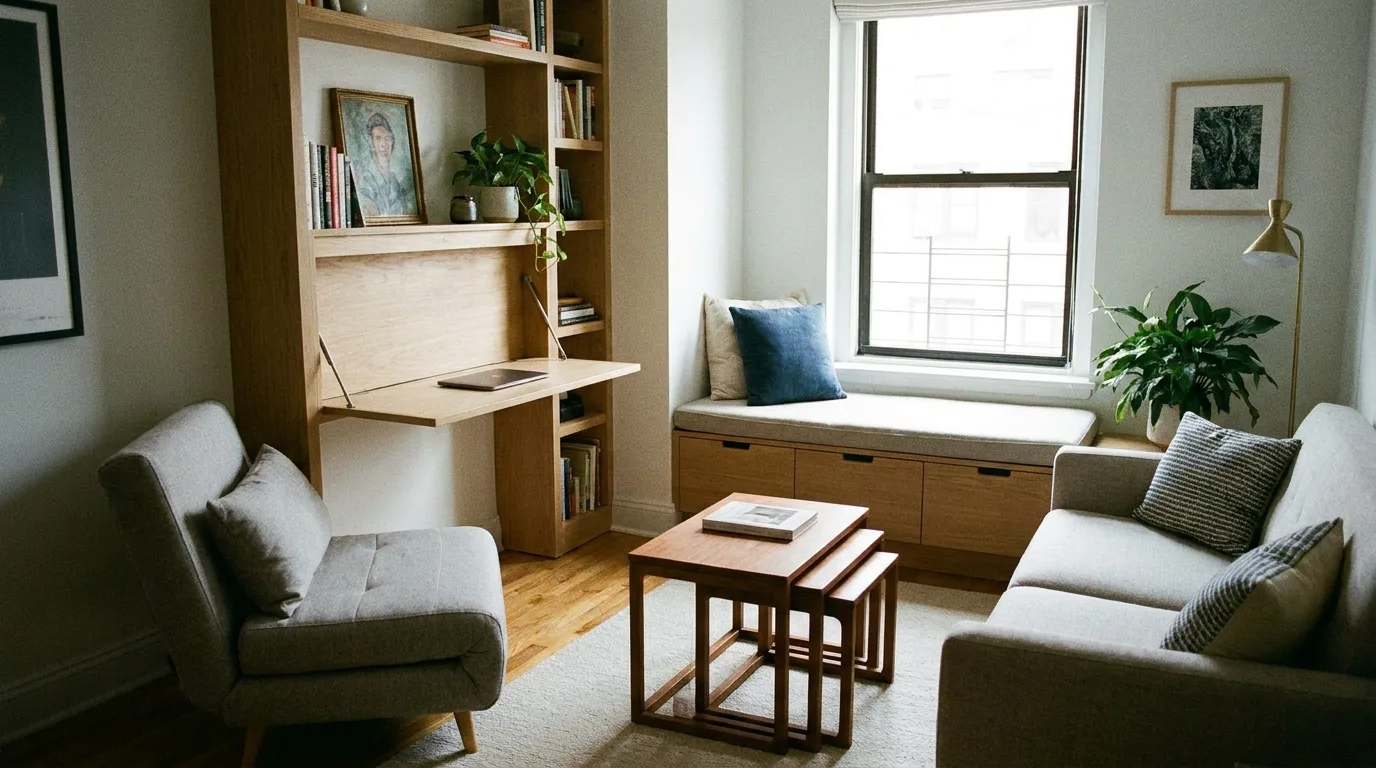
Multifunctional furniture can dramatically improve organization when space is limited. Look for pieces that perform two or more roles, such as a storage bench that provides seating, a nesting table set that can be separated when needed, or a cabinet that doubles as a display surface. Multifunctional pieces reduce the number of separate objects competing for floor space, which can make a room feel more open. Before buying, consider how often each function will actually be used and whether the furniture provides adequate storage capacity. Pieces should also be proportionate to the room so that organization does not come at the expense of comfortable movement. Thoughtful multifunctional furniture is particularly useful in apartments, small family rooms, and open-plan homes where flexibility matters.
19. Create a Daily Living Room Reset
The most effective organization system is one that remains easy to maintain. A short daily reset can keep clutter from rebuilding after you have organized the room. Return remote controls to their station, fold blankets, clear cups and dishes, put books back on shelves, return toys to their bins, and place stray objects in their proper homes. A five- to ten-minute routine is often enough when the room already has designated storage for everyday belongings. Involving other household members can make the process faster and encourage everyone to take responsibility for shared spaces. The goal is not perfection; it is preventing small amounts of clutter from becoming an overwhelming task. Consistent habits allow the organizational improvements in your living room to remain useful over time.
Conclusion
Organizing a living room is less about hiding everything and more about creating practical homes for the things you use regularly. Storage furniture, baskets, shelves, cable-management solutions, and multifunctional pieces can all help reduce clutter without sacrificing comfort or style. The most successful approach combines smart storage with simple habits, such as returning items after use and completing a quick daily reset. Start with the areas that become cluttered most often, then choose organization solutions that fit your room’s layout and your household’s routines. With a few thoughtful changes, even a busy living room can become easier to clean, more comfortable to use, and visually calmer every day.